Wellbeing and education are connected in everyday life.
A child’s health affects far more than the moments spent in a clinic. When children feel well, they are more able to play, concentrate, attend learning activities and build relationships. When health needs go unaddressed, everyday routines can become difficult and a child may miss important opportunities.
Health support begins with recognising that families may face practical barriers. Distance, cost, limited information or uncertainty about where to seek help can delay care. Community-based awareness and appropriate referrals can help families understand available options. Medical assessment and treatment should always be provided by qualified health professionals.
Nutrition, rest, hygiene and emotional wellbeing also influence a child’s development. These needs are connected and should not be considered in isolation. A caring adult who listens and notices changes can help a child receive support earlier, while respectful communication can reduce fear and confusion.
Organisations working with children should be careful not to overstate their role. A community trust can help families access information and appropriate support, but it should not replace professional medical advice or promise outcomes it cannot control. Clear boundaries protect children and help supporters understand what a programme actually provides.
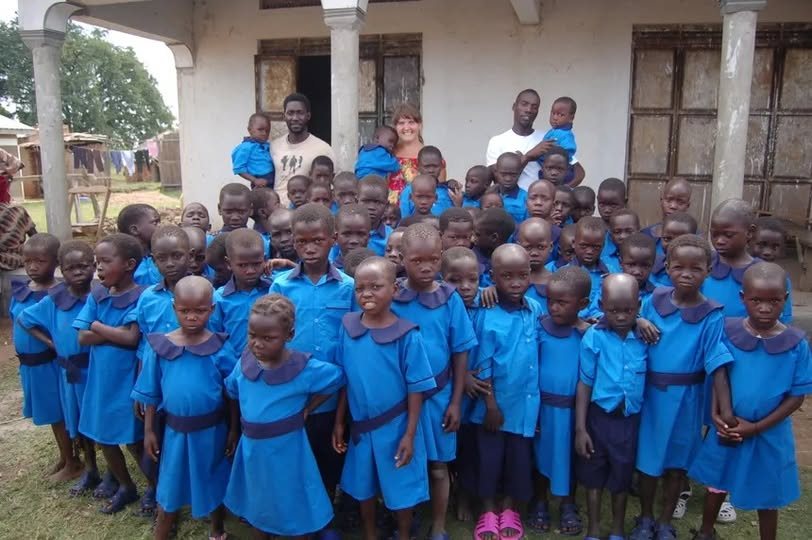
Children’s Sanctuary Trust includes healthcare and wellbeing among its areas of focus. Its wider purpose recognises that learning, safe care and health are mutually reinforcing. By strengthening connections between families, community support and qualified services, organisations can help create conditions in which children have a better opportunity to thrive.
Children’s Sanctuary Trust welcomes thoughtful dialogue about child wellbeing, community support and practical ways to contribute. To learn more about the organisation’s current priorities, contact the team directly using the details on this website.
